
Traveling to Egypt is an experience unlike any other. With its ancient wonders, vibrant culture, and timeless landscapes, the country draws millions of visitors every year. But to truly enjoy your journey, it helps to know what to expect before you arrive. This guide dives into everything you need—from essential things to know before visiting Egypt, to cultural etiquette, transport, packing advice, and must-see highlights. Whether you’re a first-time traveler or returning to explore new corners of the country, these Egypt travel tips will help you plan confidently and travel smoothly.
Things to Know Before Visiting Egypt
Before stepping into a land of temples, deserts, and bustling souks, it helps to prepare yourself for Egypt’s unique rhythm. The country blends ancient traditions with modern life in ways that can feel both exciting and overwhelming. Understanding the climate, travel logistics, and cultural expectations will make your trip far easier.
Egypt is generally warm year-round, with summers reaching extreme temperatures, especially in Luxor and Aswan. Winters are mild and pleasant, making the months from October to April the most popular travel season. Crowds are larger at major attractions during these months, so booking accommodations and tours in advance is recommended.
What to Know Before Going to Egypt
Visitors often wonder what surprises Egypt might have in store. One of the most important things to know is that Egypt operates differently from many Western countries. Time moves at a slower pace, bargaining is part of daily life, and hospitality is deeply rooted in the culture.
Many travelers are surprised by how lively and busy cities like Cairo can be. Traffic is heavy, streets are loud, and crossing the road can feel like an adventure of its own—but this energy is part of Egypt’s charm. Once you settle into the local pace, you’ll find that the country’s chaotic moments are balanced by breathtaking sites, generous people, and some of the most impressive monuments on Earth. When visiting temples, mosques, museums, and historical sites, expect security checks, ticket queues, and occasional crowds.
Egypt Travel Tips for First-Time Visitors
For first-time visitors, Egypt can feel like a dream destination mixed with culture shock. The key is to balance preparation with openness. Start your trip with Cairo to explore the Pyramids, Egyptian Museum, and Khan el Khalili, then fly or take an overnight train to Luxor or Aswan to continue your journey along the Nile. If you are planning a Nile cruise, consider starting in Aswan and cruising north toward Luxor for a more relaxed experience.
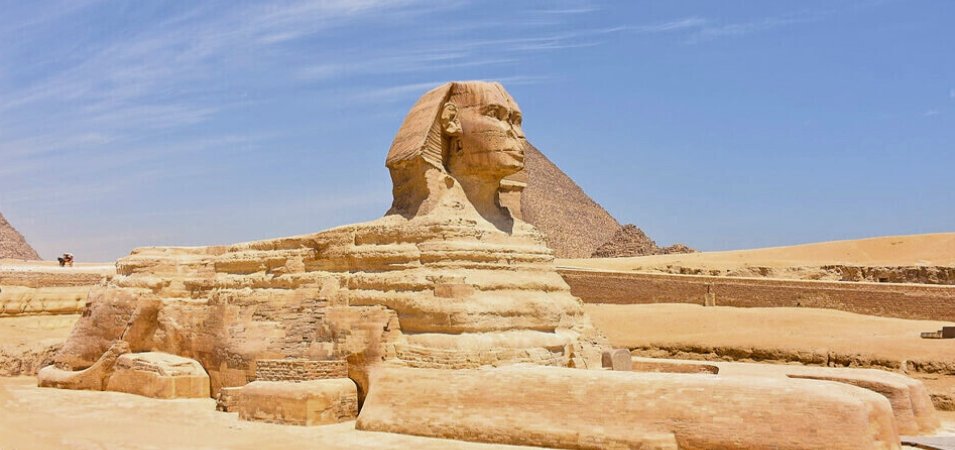
If you’re sensitive to heat, plan sightseeing early in the morning. Egypt’s major temples—Karnak, Philae, Edfu, Abu Simbel—are far more enjoyable before the midday sun sets in. Carrying small cash is essential as many vendors, taxis, and cafés do not accept cards. Always request prices upfront to avoid misunderstandings, especially in markets.
While Egypt is welcoming to visitors from all backgrounds, respecting local customs will enhance your experience. Avoid public displays of affection, dress modestly in traditional areas, and ask permission before photographing people—especially vendors or children.
What to Pack & Dress Code
Packing for Egypt depends heavily on the season, but lightweight, breathable clothing is essential year-round. Egypt’s dress code is more conservative than many Western countries, especially in rural regions. While major tourist sites are more relaxed, modest clothing shows respect and prevents unwanted attention.
Women often feel more comfortable wearing long skirts, loose pants, maxi dresses, and tops that cover the shoulders and chest. Men typically wear lightweight trousers or longer shorts, along with shirts that offer sun protection. Comfortable walking shoes are a must because temple complexes can be vast and uneven.
A sun hat, sunglasses, and high-SPF sunscreen are invaluable due to Egypt’s intense sunlight. A scarf is useful both for modesty in religious sites and for protection against dust and wind during desert excursions. Bringing a reusable water bottle helps you stay hydrated throughout long sightseeing days.
If you plan to visit upscale restaurants, desert camps, or cruise ships, pack slightly dressier outfits. For winter travel, especially from December through February, evenings can be surprisingly chilly, so light jackets or sweaters are recommended.
Transport: Getting Around Egypt
Egypt offers a variety of transportation options, each suitable for different types of travelers. In major cities like Cairo, ride-hailing apps such as Uber and Careem are reliable and convenient, often cheaper than taxis. Traditional taxis are widely available but may require bargaining, as meters are not always used.
For long distances, domestic flights between Cairo, Luxor, Aswan, and Sharm El Sheikh are efficient and affordable if booked in advance. Trains are another option, especially the overnight sleeper train connecting Cairo with Luxor and Aswan. While slower than flying, it offers a unique travel experience and scenic views of rural Egypt.
In cities like Luxor and Aswan, horse-drawn carriages and motorboats along the Nile are common modes of transport. Feluccas—traditional sailboats—offer a scenic way to enjoy the river, especially during sunset. However, agree on the price before boarding.
For exploring temples on the west bank of Luxor, renting a private driver is the most convenient way to navigate multiple sites in a single day. Roads can be confusing, and having a driver ensures you reach all the major attractions comfortably.
Cultural Etiquette & Language Tips
Understanding Egyptian etiquette goes a long way in building positive interactions. Egyptians are warm, welcoming, and proud of their heritage, but they also appreciate visitors who show respect for local customs.
Greetings are important. A simple “salaam alaikum” is a polite way to say hello, and “shukran” means thank you. While English is widely spoken at major tourist sites, learning a few Arabic phrases can enrich your experience.
When visiting mosques, dress modestly and remove your shoes before entering prayer areas. Photography may be restricted, so always ask if unsure. Handshakes are common, but physical contact between men and women may vary depending on the situation; when in doubt, wait to see if the other person extends a hand.
Bargaining is expected in markets and with street vendors, but it should always be done politely. Start low, stay friendly, and don’t feel pressured to buy anything. Egyptians value humor and friendliness during negotiations, and a respectful attitude often leads to a better price.
Tipping, known as “baksheesh,” is a normal part of life and is expected for small services such as carrying luggage, helping with photos, or offering directions. While it may feel unfamiliar to some travelers, it’s appreciated and often expected.
Must-See Highlights & Planning Tips
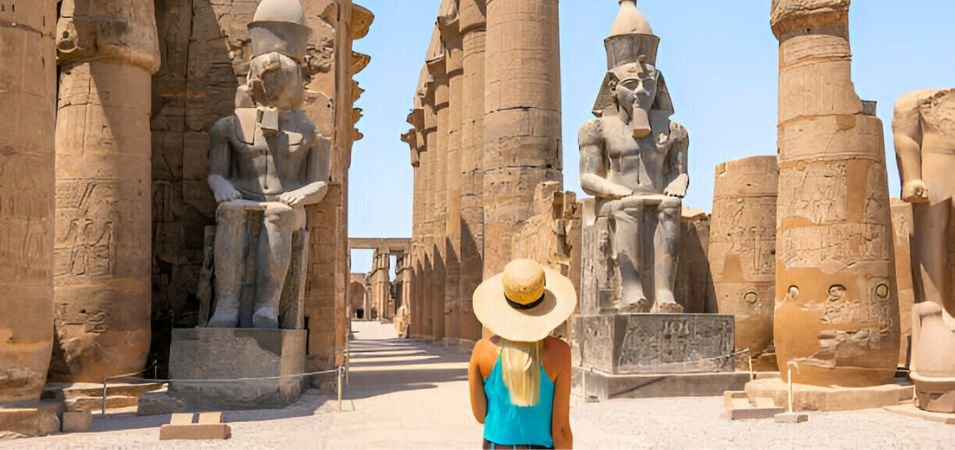
Egypt is filled with extraordinary sites, and planning them in the right order can make your trip smoother. Most visitors begin in Cairo to explore the Pyramids of Giza, Saqqara, Memphis, the Grand Egyptian Museum, and the lively streets of Islamic Cairo. From there, traveling south reveals the heart of ancient Egypt.
Luxor is home to the Valley of the Kings, Karnak Temple, Luxor Temple, Hatshepsut Temple, and dozens of tombs and monuments. Crossing to Aswan introduces a calmer atmosphere, the Temple of Philae, Nubian villages, and the option to travel further to Abu Simbel, one of Egypt’s most impressive archaeological wonders.
A Nile cruise is one of the best ways to see the country, offering a blend of relaxation and sightseeing. Cruises typically stop at Edfu and Kom Ombo along the way, allowing you to explore temples that would otherwise be more difficult to reach.
For beach lovers, the Red Sea cities of Hurghada, Sharm El Sheikh, and Marsa Alam offer world-class diving, snorkeling, and resorts. These destinations pair perfectly with a cultural trip through Cairo and Upper Egypt.
Planning helps manage the heat and prevents missing out on popular tours. But independent travelers can also explore comfortably with a good itinerary.
Final Thoughts
Egypt is a destination that stays with you long after you return home. Its intoxicating mix of history, culture, and natural beauty offers something for every traveler. By preparing with these Egypt travel tips, you’ll navigate the country with confidence, avoid common surprises, and fully enjoy the magic that makes Egypt one of the world’s most unforgettable destinations.
Whether you’re wandering through ancient temples, sailing the Nile, or savoring traditional cuisine in a bustling souk, Egypt invites you to slow down, embrace its culture, and discover its stories one moment at a time.
