Where is Nubian Village Aswan?
Gharb Soheil — colorful Nubian homes on the Nile’s west bank, a short boat ride from Aswan.
- 🚤 Boat ride: 15–45 min from Aswan
- ⏱️ Visit length: 2–3 hours
- 🎨 Known for: painted mud-brick houses
- 🐊 Signature sight: crocodile houses
- 🗓️ Best time: October–April
Nubian Village in Aswan — specifically the village of Gharb Soheil — is one of Egypt’s most immersive cultural destinations, full of color, rhythm, history, and stories that have survived for thousands of years. Nestled on the west bank of the Nile, Nubian Village Aswan greets visitors with bright hand-painted architecture, friendly locals, traditional music, and a heritage that predates the pharaohs themselves.
From the moment you arrive — often by Nile cruise va Felucca, gliding past Aswan’s iconic granite boulders and palm-lined banks — you step into a world unlike anywhere else in Egypt.
This complete guide to Nubian Village Aswan covers everything you need to plan a visit: history, location, architecture, culture, food, festivals, shopping, practical prices and timing, and how to combine it with the rest of your Aswan itinerary.
Where Is Nubian Village Aswan Located?
Nubian Village Aswan is not a single place but a cluster of communities on the Nile’s west bank, and the one most travelers mean when they search “Nubian Village Aswan” is Gharb Soheil, located opposite Soheil Island near the Aswan High Dam. Smaller Nubian neighborhoods also exist on Elephantine Island, closer to the city center, and further Nubian settlements stretch north around Kom Ombo, where many families resettled after the 1960s relocation.
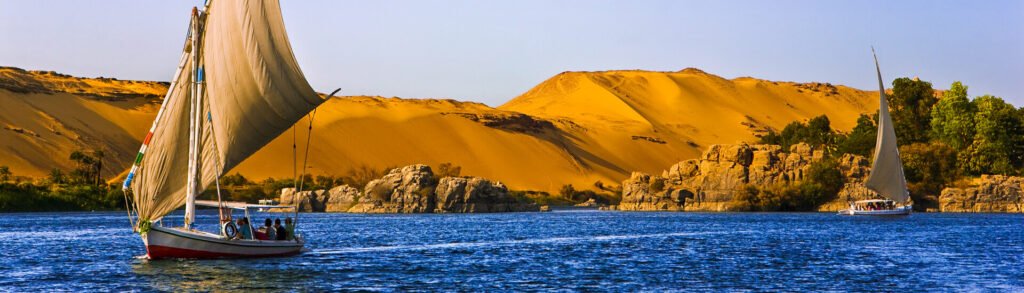
Reaching Nubian Village Aswan is part of the experience. Most visitors cross by small motorboat, a traditional felucca sailboat, or as a scheduled stop on luxury Nile cruises . Depending on your departure point in Aswan, the crossing takes roughly fifteen to forty-five minutes, passing Elephantine Island, the Tombs of the Nobles, and dramatic granite outcrops along the way. The river here is wide and calm, and the ride itself — birds gliding overhead, feluccas tacking against the wind, golden dunes rising behind the palm groves — sets the tone before you even step ashore.
Many day tours combine the boat crossing to the village with a stop at the Aswan Botanical Garden on Kitchener Island or a visit to the Tombs of the Nobles, making the short journey feel like a mini Nile cruise in its own right.
The creation of Lake Nasser forced many Nubian families to relocate, their villages submerged by rising waters.
Rather than losing their identity, Nubians rebuilt their villages with the same passion and creativity. Today, the colorful houses, hand-painted designs, and traditional crafts are living evidence of a culture determined to preserve its spirit. The village you explore today is a modern continuation of ancient traditions and a tribute to Nubian resilience.
The History of Gharb Soheil
The story of Nubian Village Aswan begins thousands of years ago, long before many of the world’s other great civilizations rose to power. Nubians are among Africa’s oldest peoples, with a history that stretches back to at least 2000 BCE. Their ancient territory, known as Nubia, ran along the Nile from Aswan’s First Cataract in southern Egypt down through what is now northern Sudan — a region famous for gold, trade routes, and powerful independent kingdoms such as Kush and Meroe, which at times rivaled and even ruled over ancient Egypt itself.
For generations, Nubian communities lived in close harmony with the Nile. Villages were built from mud brick, artwork reflected the desert and river landscape around them, and domed or arched roofs kept homes naturally cool without any modern equipment. That long continuity was interrupted in the 1960s with the construction of the Aswan High Dam. As the reservoir behind the dam filled and became what is now known through Lake Nasser cruises, the rising water submerged dozens of ancient Nubian villages, and more than 100,000 people were displaced from land their families had lived on for millennia.
Rather than lose their identity, Nubian families rebuilt their communities with the same creativity, color, and pride that had always defined them. This Nubian community, which you can visit today, — with its rainbow-painted houses, hand-crafted décor, and living traditions — is a direct continuation of that resilience, not a museum piece staged for tourists. Understanding this history is part of what makes a visit to the settlement so meaningful: every painted wall and courtyard carries the memory of a community that refused to disappear.
Meet the Nubian People and Their Culture
Visiting Nubian Village Aswan also means meeting a culture distinct from the rest of Egypt. Nubians are traditionally divided into several groups, including the Fadiga, the Kenuz, and smaller communities such as the Halfawieen, each with its own dialect of the Nubian language, a tongue unrelated to Arabic and still spoken at home by many families in this Nubian village and the surrounding settlements.
Nubian identity is deeply tied to hospitality. Guests are frequently welcomed into private homes for tea or coffee, invited to hear family stories, and shown handicrafts passed down through generations. This openness is one of the reasons the village of Gharb Soheil consistently ranks among visitors’ favorite stops in Upper Egypt — it offers a genuine, lived-in culture rather than a roped-off historical site.
The Architecture and Interior Design of Nubian Village Aswan
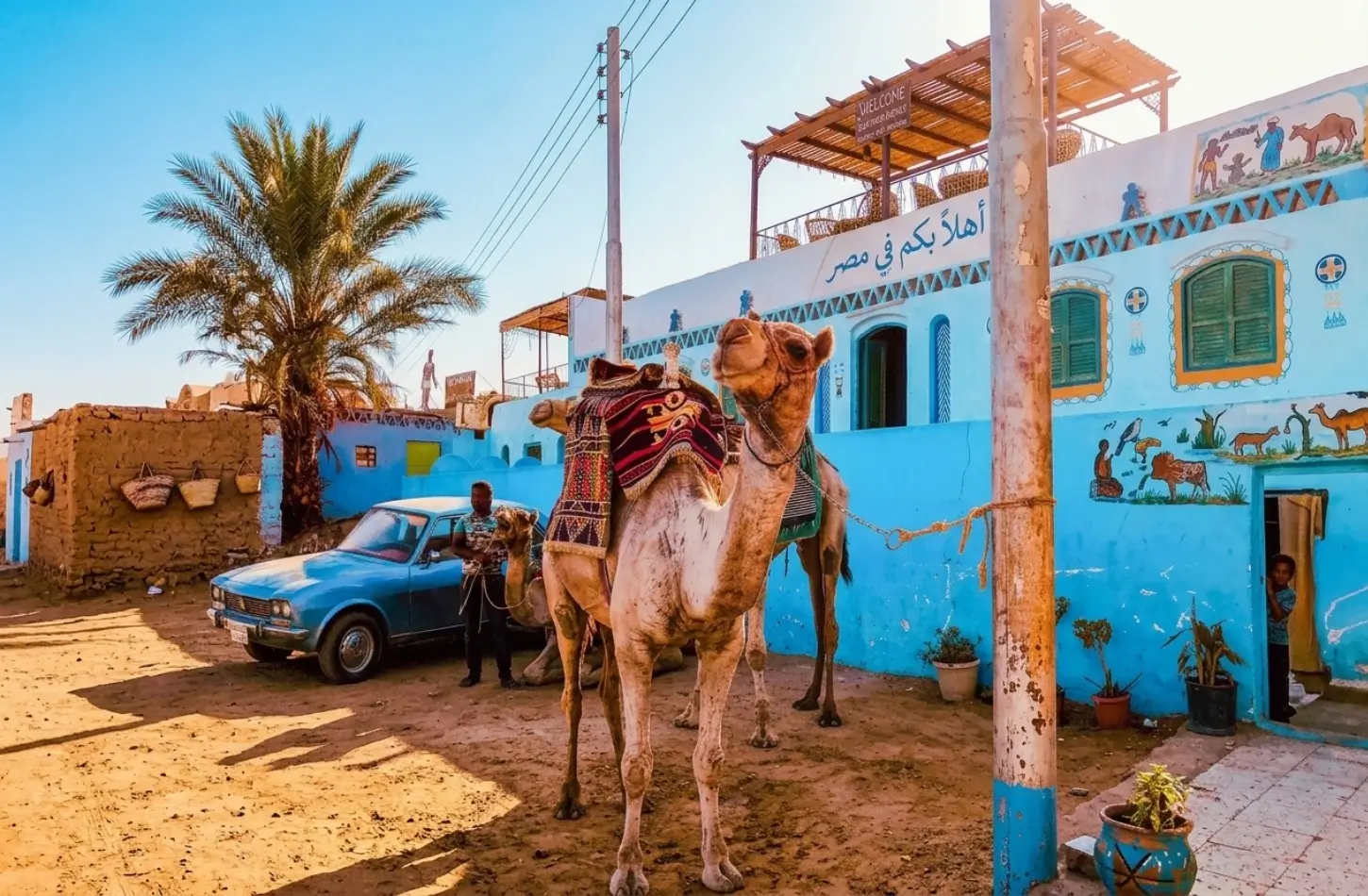
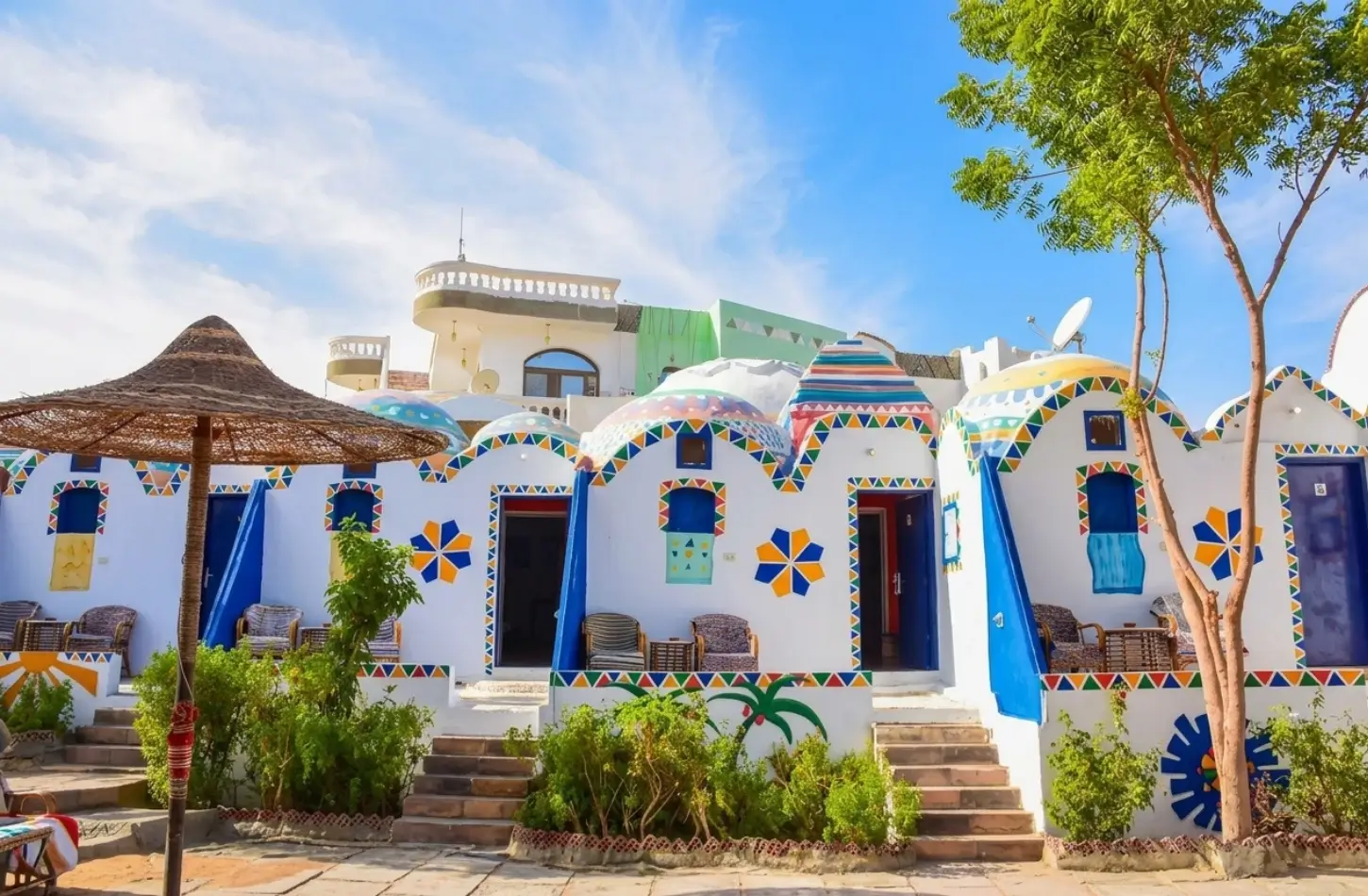
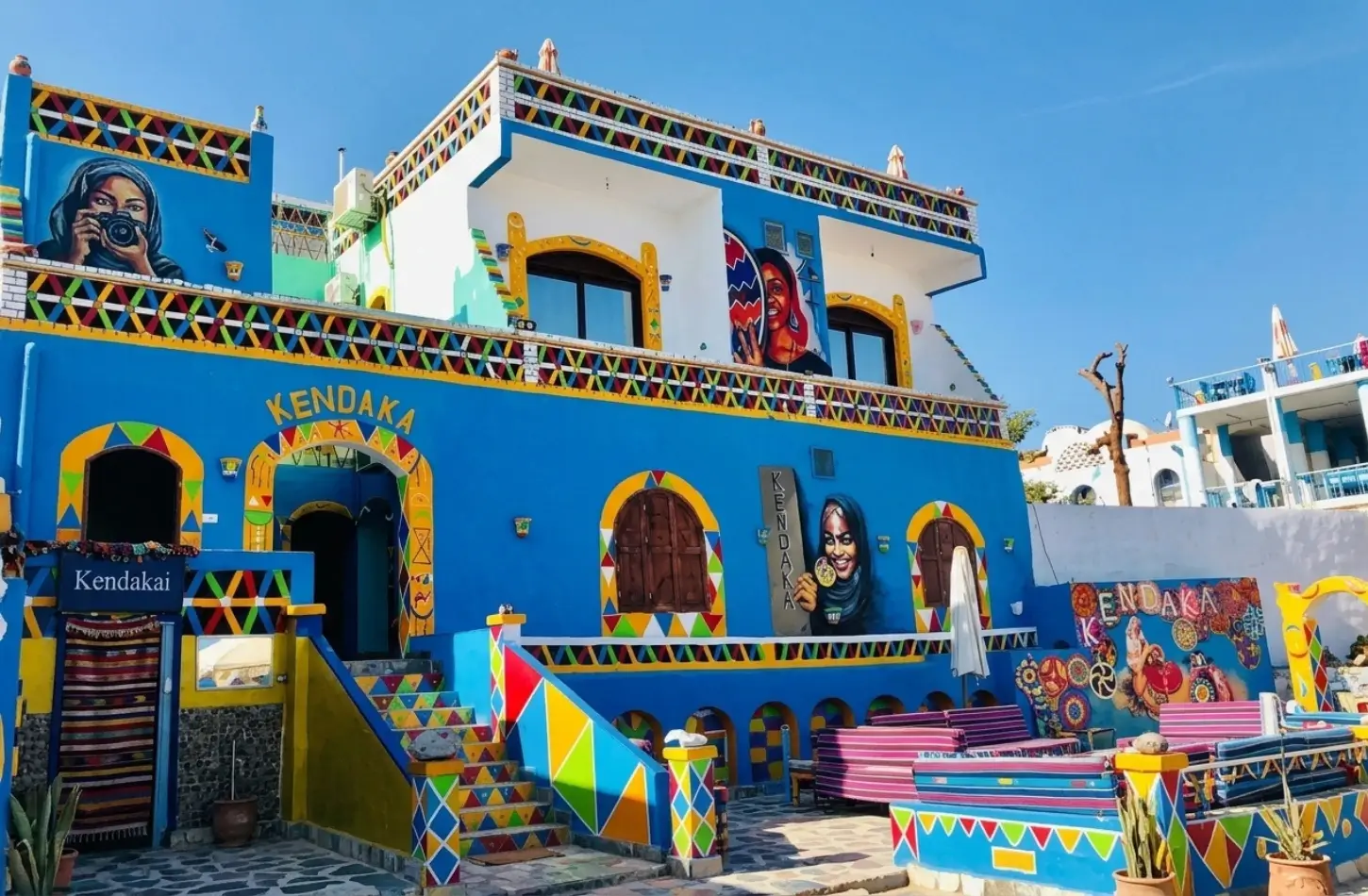
Walking through the area feels like stepping into an open-air art gallery. Houses are built from mud brick, a material that keeps interiors remarkably cool through Aswan’s intense heat, while domes, curved ceilings, and archways help circulate air naturally, eliminating the need for modern cooling systems. Exteriors throughout here are hand-painted in vivid blues, pinks, greens, oranges, and yellows — colors locally believed to bring joy, protection, and blessings to the household.
Many walls display Nile-inspired artwork: crocodiles, boats, palm trees, suns, and geometric patterns that tell stories of daily life, mythology, and ancient belief systems. These murals are repainted and touched up regularly, so the palette you see in Nubian Village Aswan today is always fresh and vivid, never faded.
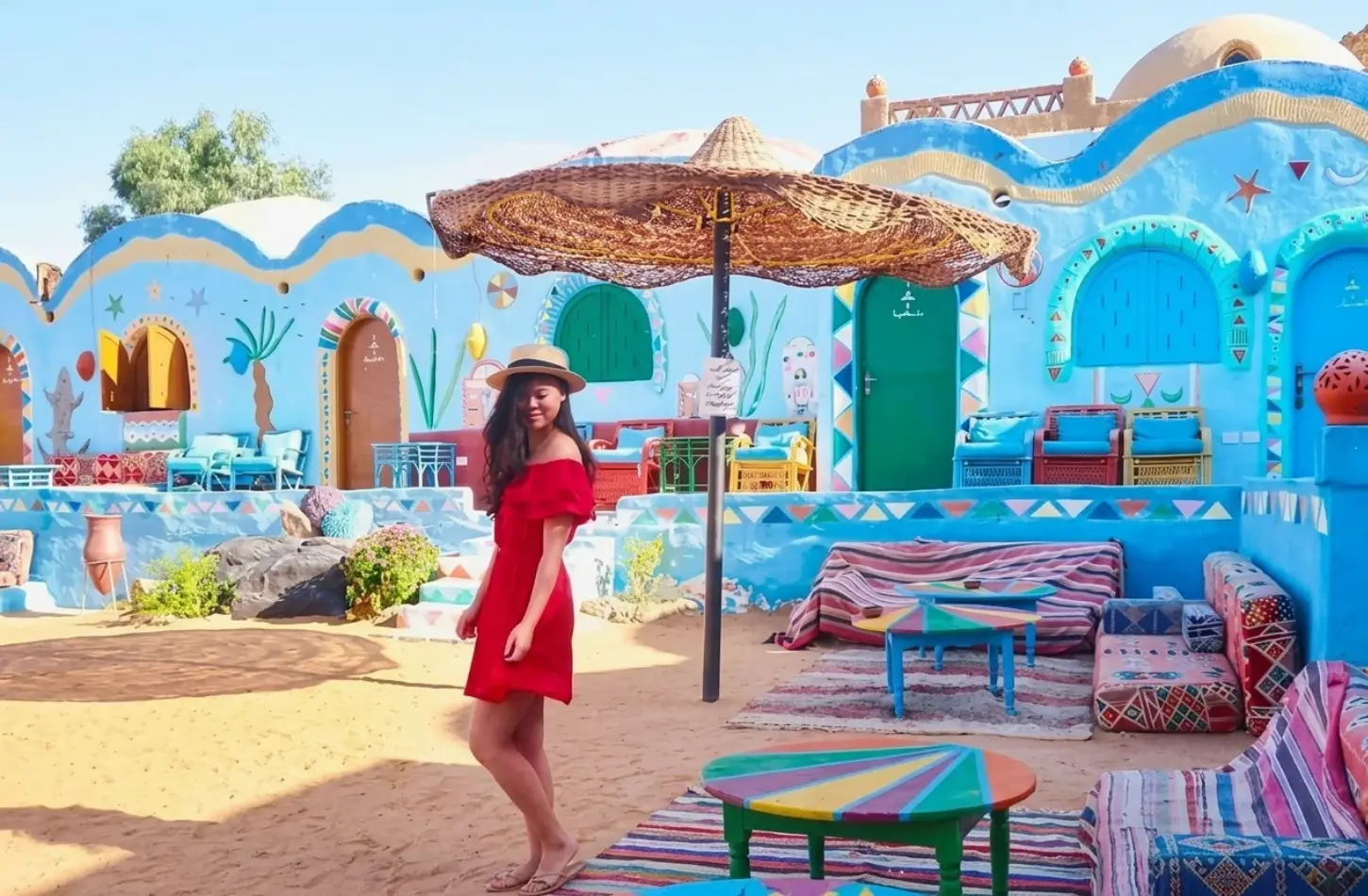
Inside the homes, the décor is equally charming. Visitors often find low seating areas, woven carpets, clay pottery, wall hangings, and handmade baskets crafted from palm leaves. Rooms stay airy and naturally lit through small windows built into thick mud-brick walls.
Many families in the village welcome guests inside to see a traditional kitchen, an inner courtyard, or even a small home museum of heirlooms and old photographs. Some households also keep small Nile crocodiles in dedicated tanks or courtyards — the so-called “crocodile houses” — a tradition believed to bring protection and good fortune, and one of the most talked-about sights in the village.
Top Things to Do in Gharb Soheil
A visit to Nubian Village Aswan is never just sightseeing — it is a hands-on cultural experience built around warm hospitality.
Wander the Painted Streets
Many travelers begin simply by wandering the narrow, colorful lanes of this Nubian community, where children play, artists touch up murals, and shop owners greet visitors with genuine warmth rather than a hard sales pitch.
Join a Home Visit for Tea
Local families frequently open their homes to guests, encouraging them to learn about Nubian customs over a glass of hibiscus tea (karkade) or fresh coffee. This home-hosted moment is often the most memorable part of a village visit, far more personal than a typical monument tour.
Try a Nubian Cooking Demonstration
One of the most rewarding activities is a Nubian cooking session, where dishes are flavored with cumin, cloves, garlic, and aromatic local herbs while your host explains the stories behind each recipe — a rare, direct window into Nubian cuisine that few standard Aswan itineraries include.
Ride a Camel Along the Dunes
Others prefer a camel ride along the golden dunes behind the village, where the desert meets the Nile in a striking contrast of color and landscape.
Enjoy Live Nubian Music
Vibrant musical gatherings are common, with traditional drums, clapping rhythms, and Nubian songs that carry real energy and emotion. Travelers often find themselves pulled into the dancing alongside villagers.
Take a Sunset Boat Ride
For a calmer close to the day, a peaceful boat ride around the surrounding islands is ideal. Sunset over the Nile near this Nubian village paints the water in shades of orange and gold — many visitors consider it the single best moment of their entire Aswan stay.
Nubian Cuisine: What to Eat in the Village
Food is central to any visit to the village of Gharb Soheil. Traditional dishes lean on ingredients suited to the desert and riverbank: fresh Nile fish grilled or stewed with tomatoes and spices, lentil soups thickened with cumin, and slow-cooked tagine-style stews of okra, garlic, and lamb. Bread is often baked in traditional clay ovens, giving it a distinctive smoky flavor rarely found elsewhere in Egypt. No meal or tea break in Nubian Village Aswan is complete without karkade, the bright red hibiscus tea served hot or cold depending on the season, along with dates, roasted peanuts, and other small snacks offered as a gesture of hospitality.
The Nubian Museum
A short distance from the area, the Nubian Museum stands as one of Egypt’s most impressive cultural institutions. Built in the 1990s, it was created specifically to preserve artifacts and traditions endangered by the flooding caused by the Aswan High Dam.
Inside, visitors explore thousands of years of Nubian history through more than 3,000 artifacts, including pottery, ancient tools, jewelry, manuscripts, statues, and photographs documenting villages before their relocation. The museum’s architecture blends naturally with the surrounding desert landscape, using local stone to create a calm, reflective atmosphere that feels connected to here itself.
The museum takes visitors on a chronological journey through Nubian civilization — from prehistoric settlements to the kingdoms of Kush and Meroe, and then to modern Nubian life. Pairing a Nubian Museum visit with a trip to Nubian Village Aswan adds historical depth that the village experience alone cannot fully provide, and most guides recommend seeing the museum either just before or after the boat crossing.
Nearby Attractions Worth Combining With Gharb Soheil
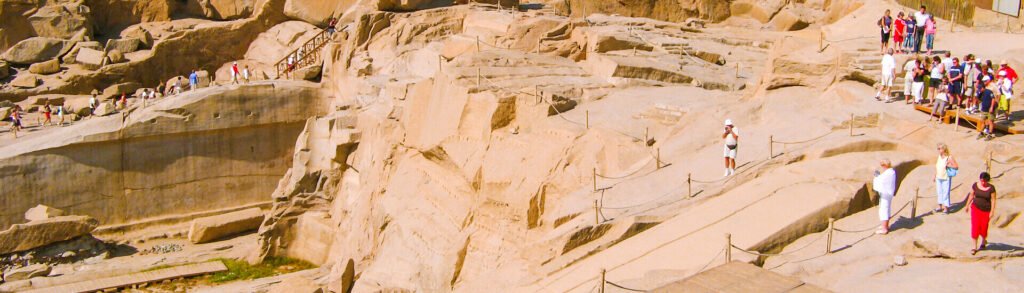
Gharb Soheil sits close to several of Aswan’s other essential sights, making it easy to build a full day around the area. Many travelers pair their visit with the Temple of Philae, known for its dramatic island setting and beautifully restored reliefs of Isis. Others add the Unfinished Obelisk, carved directly into Aswan’s ancient granite quarries and left abandoned mid-construction, offering rare insight into how the ancient Egyptians actually cut stone.
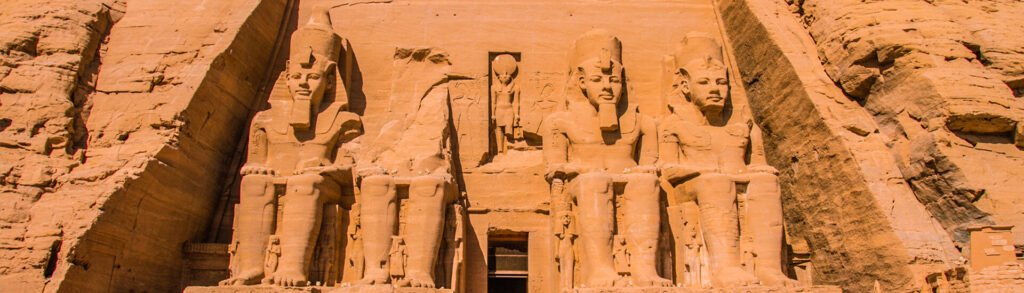
Travelers spending more than a day or two in the region often extend their trip to the Abu Simbel temples, a longer but unforgettable side trip from Aswan that pairs naturally with the cultural depth of Nubian Village Aswan. Closer to the city, the Aswan Botanical Garden on Kitchener Island offers towering palms, rare plants, and scenic walking paths, while Elephantine Island holds its own archaeological sites and smaller, quieter Nubian neighborhoods worth a stop if you have extra time.
Local Crafts and Souvenirs in Gharb Soheil
Shopping in the settlement is an experience full of color, creativity, and cultural pride. The village is known for handmade crafts produced using techniques passed down over generations rather than mass production.
Visitors will find beautifully woven baskets, beaded jewelry, hand-thrown clay pottery, colorful fabrics, and natural henna for sale directly from the artisans who made them. Many small shops sell spices such as saffron, hibiscus, cinnamon, and cumin, filling the narrow lanes with warm, exotic aromas. One of the most popular souvenirs from Gharb Soheil is the “khamsa,” a hand-shaped good-luck charm meant to ward off negative energy — a design you’ll see painted on walls throughout the village as well as sold in shops.
Nubian artisans often demonstrate their craft directly in front of visitors, explaining the meaning behind each pattern and color choice. Taking home a souvenir from this Nubian village becomes more than a simple purchase; it becomes a meaningful reminder of the culture, stories, and people encountered along the way. For an even wider selection and more room to bargain, the Aswan Old Souks back in the city center are worth a stop before or after your village visit.
Traditional Festivals and Celebrations
Nubian celebrations are among the most joyful and vibrant experiences you can witness in Egypt, and the village of Gharb Soheil is one of the best places to see them firsthand. Music plays a central role in every gathering, with rhythmic drumbeats, clapping patterns, and traditional dances bringing celebrations to life late into the night.
Weddings are particularly spectacular in Nubian Village Aswan. Homes are decorated with bright colors and lanterns, and family members sing and dance for days rather than hours. Visitors who happen to be in the area are often welcomed to join, experiencing firsthand the warmth and togetherness that define Nubian culture. Religious holidays and seasonal festivals also bring the community together, with families sharing traditional meals, exchanging stories, and honoring customs that have survived for centuries — celebrations that serve as a way to keep cultural identity strong from one generation to the next.
Visitor Info: Prices, Best Time to Go, and Practical Tips
Before you plan your own trip to the area, a few practical details will help you get the most out of the visit.
Best Time to Visit
October through April is the most comfortable window for exploring here on foot, since Aswan’s summer heat between June and August can make midday walking genuinely difficult. Late afternoon visits, timed to end with a sunset boat ride, are especially popular year-round.
How Long to Spend
Most guided visits to Nubian Village Aswan run two to three hours, including the boat crossing, a home visit for tea, and free time to wander the streets and shop. Travelers combining the village with Philae Temple or the Nubian Museum should plan closer to half a day.
Getting There and Costs
Boat trips to the village are typically arranged through your hotel, cruise ship, or a local tour operator, with motorboat or felucca fares varying by group size, season, and negotiation. Rather than relying on a fixed rate, confirm the total cost — including hotel pickup, boat fare, and any guide fee — directly with your operator or cruise itinerary before departure.
What to Bring and Wear
Bring small EGP notes for tea, souvenirs, and optional tips, along with sun protection and comfortable walking shoes for the sandy, uneven lanes. Modest clothing is appreciated out of respect for the local community, particularly if you’re invited into a family home.
Etiquette Tips
Always ask before photographing individuals in Gharb Soheil, especially inside private homes. A small gift, a fair tip, or simply buying a souvenir directly from the family hosting you is a welcome way to show appreciation for their hospitality.
How to Visit Nubian Village Aswan: Cruise, Felucca, or Day Tour
There are three common ways to reach this Nubian community, and the right choice depends on how much time and flexibility you have. Many travelers reach the village as a shore excursion from a luxury Nile cruise, where it’s often bundled with a stop at Philae Temple as part of the standard Aswan itinerary. Others prefer arriving aboard a traditional Dahabiya cruise, a slower, sail-powered way to experience the Nile that suits the unhurried pace of the village itself.
For travelers not on a cruise, a standalone motorboat or felucca day tour booked locally in Aswan is the most flexible option, allowing you to set your own schedule and combine the settlement with other nearby stops. If you’re still deciding between a felucca and a full cruise for this leg of your trip, our Nile cruise vs. felucca comparison breaks down the differences in comfort, cost, and flexibility in more detail.
Sample Half-Day Itinerary
If you only have one afternoon in Aswan, a simple itinerary built around the village looks like this: start with the Unfinished Obelisk in the morning, followed by the Temple of Philae by boat, then continue on to this Nubian village for tea, a walk through the painted streets, and shopping for handmade souvenirs, before finishing with a sunset felucca ride back toward the Aswan Corniche. Travelers on a Lake Nasser cruise or heading onward to Abu Simbel often slot this same route in on their first or last day in Aswan.
Frequently Asked Questions About Nubian Village Aswan
Where is the Nubian Village in Aswan located?
Nubian Village Aswan refers mainly to Gharb Soheil, on the west bank of the Nile near Soheil Island, reached by a short boat ride from central Aswan. The crossing takes roughly thirty minutes by motorboat and is part of the experience: you approach the painted houses from the water rather than arriving by road, which is how most cruise excursions reach it.
How long does a Nubian Village Aswan visit take?
Most guided visits run two to three hours, including the boat ride, a home visit for tea, and time to walk the painted streets and shop for souvenirs. Half a day covers it without rushing, which is why it fits neatly into the free time a Nile cruise leaves during its Aswan mooring.
Is Nubian Village Aswan worth visiting?
Yes — it’s a living, inhabited community rather than a staged attraction, offering hands-on culture through music, food, and crafts that you won’t find at Aswan’s ancient temples.
Can I visit Nubian Village Aswan as part of a Nile cruise?
Yes, most Nile cruise itineraries that stop in Aswan can include a Nubian Village excursion, often paired with Philae Temple on the same day. Because Aswan is one of the two end points of the classic Luxor to Aswan route, itineraries usually allow a full day there, which is comfortably enough for both.
What’s the best time of year to visit the village?
October through April, when temperatures are milder and more comfortable for walking around outdoors. The village is seen on foot along unshaded lanes, so the summer months are harder work here than at sites where you spend most of the visit inside a temple. Those cooler months are also the main Nile cruise season.
Are there crocodiles in Gharb Soheil?
Some families keep small Nile crocodiles in dedicated tanks or courtyards as a traditional symbol of protection — these “crocodile houses” are a well-known feature of a village visit.
What souvenirs should I buy in this Nubian community?
Most are made by the families you meet along the walk, so buying here sits closer to a cultural exchange than a shopping stop. Popular choices include woven baskets, beaded jewelry, hand-thrown pottery, natural henna, local spices, and the hand-shaped “khamsa” good-luck charm.
Why Nubian Village Aswan Is Worth Visiting
This Nubian village is far more than a photo stop — it is a living expression of culture, history, and community. Colorful houses, peaceful Nile views, traditional music, home-cooked food, and warm hospitality leave a lasting impression on every traveler who makes the crossing. Whether you visit by boat, felucca, or as part of a larger Egypt itinerary, the village of Gharb Soheil offers a cultural richness you won’t find anywhere else in the country.
Exploring the Nubian Museum, wandering the painted streets, shopping for handmade crafts, meeting local families, or simply watching the sunset over the river — all these experiences combine to make the area one of the most rewarding stops on any Nile itinerary. Ready to add it to your trip?