What should I know before visiting the Aswan old souks?
Bargain 30–40% of asking price, bring small EGP cash, and shop the middle/southern lanes for better deals than near the station.
- 💰 Start bargaining at 30–40% of first quoted price
- 🧺 Nubian baskets & karkadeh tea are the standout buys
- 🕰️ Open 9AM–11PM daily; go late morning for calm, evening for vibe
- 💵 Cash only — carry small EGP notes, cards rarely accepted
- 🚶 Walk past the first block — better prices further down the souk
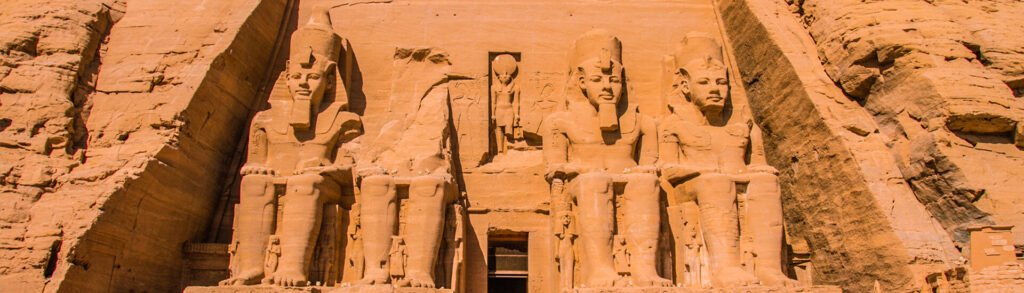
The Aswan old souks stretch for roughly three kilometers along Sharia el-Souk, one street back from the Nile Corniche, and they’re where most travelers get their best deal on Nubian crafts anywhere in Egypt. Unlike Cairo’s Khan el-Khalili or Luxor’s souk, vendors here rarely pull you by the arm — the pace is slower, the prices start lower, and locals still outnumber tourists after dark. If you’re sailing between Luxor and Aswan or spending a day in the city before or after Abu Simbel, this guide covers exactly what to buy, what to pay, when to go, and how to avoid the handful of scams that catch first-time visitors off guard.
Before you dive into the alleys, it helps to know the shape of the market: the souk splits into a touristy northern stretch near the train station, a middle section where locals actually shop, and a quieter southern end that blends into everyday Aswan life. Most visitors only see the first third and miss the better prices further down. A Nile cruise between Luxor and Aswan usually builds in free time here alongside the High Dam and Philae Temple, which is the easiest way to see the souk without losing an afternoon to navigation.
The History Behind Aswan’s Old Souks
Aswan sat at the southern edge of pharaonic Egypt for a reason: it was the last stop before Nubia and the trade routes running deeper into Africa. Caravans moving gold, ivory, incense, and spices north from Sudan passed through the city for thousands of years, and the souk grew up as the place where that trade actually happened — not a tourist attraction built for visitors, but a working market that predates the tourism industry by centuries.
That history is still visible today. Walk the middle stretch of the market, and you’ll find spice traders whose stalls have been in the same family for generations, alongside newer shops selling Nubian handicrafts to cruise passengers. The mix of Nubian, Arab, and sub-Saharan African goods — Sudanese daggers, hand-carved masks, hibiscus tea, silver jewelry — reflects Aswan’s position as a crossroads rather than a single culture’s marketplace. Locals still call it Sharia el-Souk, and it remains the place where Aswanis buy their everyday spices and produce, not just where tourists buy souvenirs.
Architecture and Atmosphere of the Market
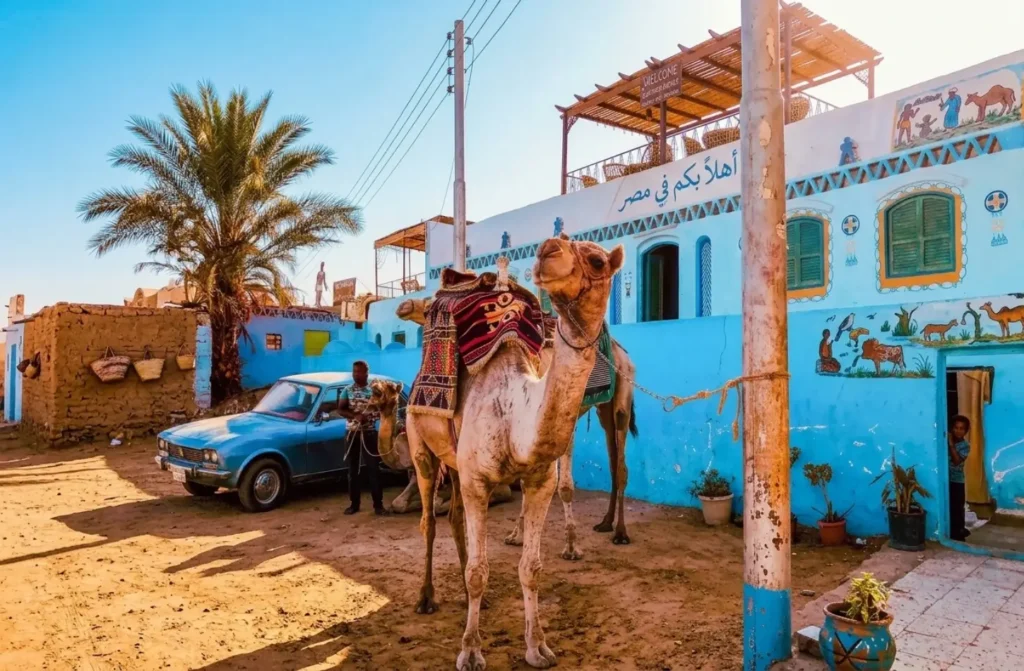
One of the most captivating aspects of the Aswan old souks is their traditional architecture, which creates a sense of immersion in a forgotten age. The market’s design reflects Nubian aesthetic influences, with brightly painted facades, domed rooftops, and decorative motifs inspired by the desert landscape and the Nile. Vendors often display their goods in open-front shops, allowing passersby to admire colorful textiles, handcrafted pottery, and carved wooden souvenirs as they stroll through the lanes.
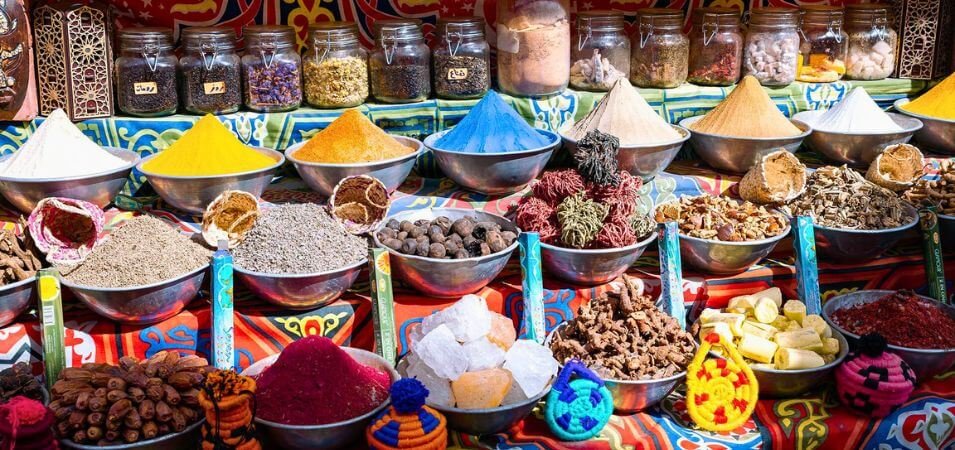
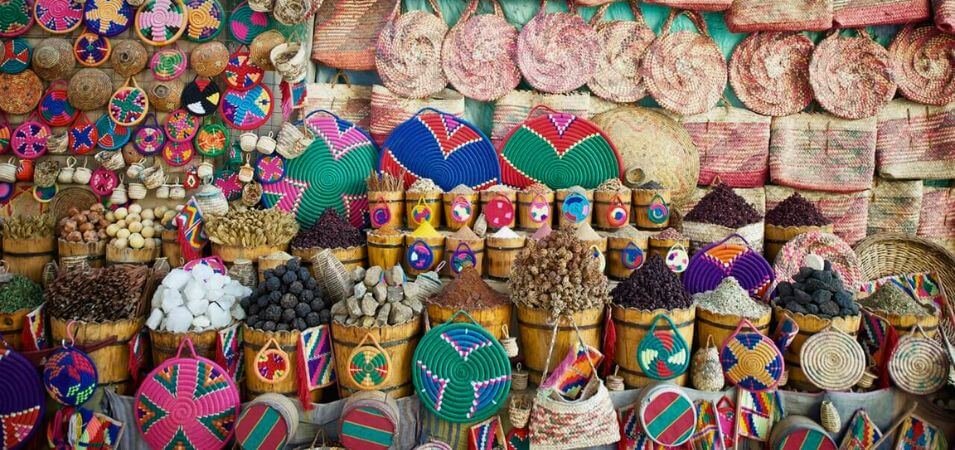
The atmosphere is lively from the moment you arrive. Vendors call out friendly greetings, children run between stalls, and the scent of spices—cumin, cardamom, clove, and hibiscus—fills the air. The market is both energetic and welcoming, offering a warm cultural embrace to anyone who enters. Bright displays of Nubian baskets, natural perfumes, leather sandals, and traditional jewelry paint the pathways in a mosaic of color, making the souks a photographer’s dream.
Where the Souk Is and How to Get There
The market runs parallel to the Nile Corniche, about four blocks inland, starting near the Aswan railway station at the northern end and continuing roughly seven blocks south. If you’re staying in central Aswan or moored on a Nile cruise ship near the Corniche, it’s a 10–15 minute walk. From the airport, expect a 25–30 minute taxi ride.
- On foot: Walk east from the Corniche at any of the connecting side streets — the market runs one block back from the river itself.
- By taxi or tuk-tuk: Ask for “Souk Aswan” or “Sharia el-Souk”; a ride from most Corniche hotels costs 30–60 EGP.
- From a Nile cruise ship: Ships typically dock along the Corniche within walking distance; check with your cruise director for the nearest access point.
There’s no single main entrance — the souk is really one long street with narrow alleys branching off it, so it’s easy to wander in from almost any direction.
Aswan Souk Opening Hours: When to Visit
The souk generally runs from around 9:00 AM to 10:00–11:00 PM, seven days a week, though individual stalls set their own hours and some open later in the morning. A few practical notes on timing:
- Late morning (10 AM–12 PM): Shops are fully open, and it’s easier to browse without heavy crowds — good if you want to compare prices calmly before you start bargaining.
- Late afternoon to sunset (4–7 PM): The market is at its liveliest, with the best light for photos and the biggest crowd of vendors actively trading.
- After dark (8–10 PM): This is when locals do their own shopping, the lanes fill with string lights, and the atmosphere feels least touristy — worth a return visit if you were only there in daylight.
- Midday heat (12–3 PM, April–September): Many stalls quiet down and some vendors take a break; if you’re visiting in summer, plan around this window.
Friday mornings can be quieter as some shops open later for prayer, so avoid arriving before 10 AM on that day specifically.
What to Buy at Aswan Old Souks (With Real Prices)
This is the part most guides skip. Here’s what’s actually worth buying and roughly what to expect after bargaining — prices shift with the season, the vendor, and current gold/cotton costs, so treat these as starting points to negotiate from, not fixed tags. As a rule of thumb, expect to pay 40–60% of the first quoted price on most items.
Spices and karkadeh (hibiscus tea) pyramids of loose cumin, turmeric, cardamom, and saffron-style blends line the middle of the market. A 100g bag of dried hibiscus (karkadeh) starts from around 20 EGP; mixed spice blends start from about 30 EGP per 100g. Buy from stalls with visible turnover — fresher stock, better prices.
Nubian baskets and palm-leaf crafts. Hand-woven baskets in geometric Nubian patterns are the signature souvenir. Small baskets start from roughly 80 EGP, medium pieces from around 200 EGP, and large decorative baskets from about 600 EGP and up, depending on size and detail. Genuine Nubian weaving uses natural dyes, so colors look slightly irregular rather than uniformly bright — a useful authenticity check.
Textiles and galabeyas: Cotton galabeyas (the traditional Egyptian robe) and Nubian-patterned scarves are widely sold. A basic galabeya starts from around 150 EGP after bargaining, with embroidered or heavier cotton versions priced higher.
Perfume oils: Small perfume shops let you sample sandalwood, jasmine, amber, and lotus oils before buying. A 10ml bottle typically starts from about 50 EGP, rising with the blend — ask to see the oil poured from the original container rather than a pre-filled bottle, since some shops dilute stock for tourists.
Silver jewelry and gold cartouches. Older bazaars like the Hanafi area are known for custom-engraved cartouche pendants. Silver and gold prices track the daily metal rate rather than a fixed souvenir price, so confirm the karat and that day’s gold rate before agreeing on anything — reputable shops will show you both.
Alabaster and small carvings hold pieces up to light to check for the semi-translucent quality that separates real alabaster from painted plaster — a common substitution in tourist-facing stalls.
Aswan Souk Food: What to Eat While You Shop
Street food is part of the souk experience, not an afterthought. Look for:
- Koshari — Egypt’s national dish, sold at small eateries just off the main strip
- Sugarcane and hibiscus juice — fresh-pressed at juice stalls throughout the market, usually 10–20 EGP a glass
- Roasted peanuts and grilled corn — sold from carts, a good snack while browsing
- Dates and dried fruit — sold by weight, and they pack well for the trip home
Eating from a stall with a visible, steady stream of local customers is generally a safer bet than an empty one aimed only at tourists.
How to Bargain in Aswan Old Souks
Bargaining isn’t optional here — it’s the expected way prices work, and most first-quoted prices assume you’ll negotiate.
- Start at 30–40% of the asking price. Vendors expect this and won’t be offended.
- Stay friendly, not confrontational. Haggling is treated as a social exchange, not a fight — smiling and light conversation get better results than aggressive pushback.
- Know a rough price before you commit. Walk past two or three stalls selling the same item before buying, so you have a sense of the real range.
- Buy more than one item from the same vendor if you can — bundling purchases usually gets you a better per-item rate.
- Be willing to walk away. It’s the single most effective tactic; vendors will often call out a better price as you leave.
- Carry small bills in Egyptian pounds. Vendors rarely have change for large notes, and cash gives you more room to negotiate than a card.
Aswan Souk Shopping Center vs. the Traditional Souk
Alongside the historic alleys, a more modern Aswan Souk Shopping Center brings several vendors together under one roof with fixed or semi-fixed pricing. It’s a useful first stop if you want a sense of baseline prices before heading into the traditional lanes, where bargaining is the norm — but it doesn’t replace the atmosphere or the deals available in the older market. Most experienced visitors treat it as a benchmark, not a destination in itself.
What Travelers Say: Aswan Old Souks Reviews
Traveler reviews consistently point to two things: the souk feels noticeably less aggressive than Cairo’s Khan el-Khalili or Luxor’s market — vendors here are more likely to let you browse without following you — and the Nubian-specific goods (baskets, textiles, silver work) are harder to find with the same authenticity anywhere else in Egypt. The most common complaint is simply crowding during peak evening hours, which is easy to plan around by visiting in the late morning instead.
Common Mistakes First-Time Visitors Make
- Accepting the first price. It’s almost always inflated for tourists — bargaining is expected, not rude.
- Shopping only in the first block near the train station. Prices there run higher than the middle and southern stretches of the market.
- Buying “alabaster” or “gold” without checking it. Ask vendors to demonstrate authenticity — light test for alabaster, karat stamp for gold.
- Carrying only large bills. Small denominations make bargaining and quick purchases much easier.
- Rushing through in one pass. The souk rewards a second visit at a different time of day — morning for calm browsing, evening for atmosphere.
Etiquette and Safety Tips
Aswan’s souk is widely considered one of the safer, more relaxed markets in Egypt, but a few habits go a long way:
- Dress modestly — light, breathable clothing that covers shoulders and knees is comfortable and respectful.
- Ask before photographing vendors or their stalls directly; a smile and a gesture toward your camera is usually enough.
- Keep bags zipped and valuables close, especially during the crowded evening hours.
- A polite “la, shukran” (no, thank you) is enough to decline a vendor without feeling rude — it’s a normal part of market culture, not a confrontation.
Nearby Attractions to Combine With Your Souk Visit
The souk sits within easy reach of Aswan’s main sights, which makes it simple to fold into a full day out:
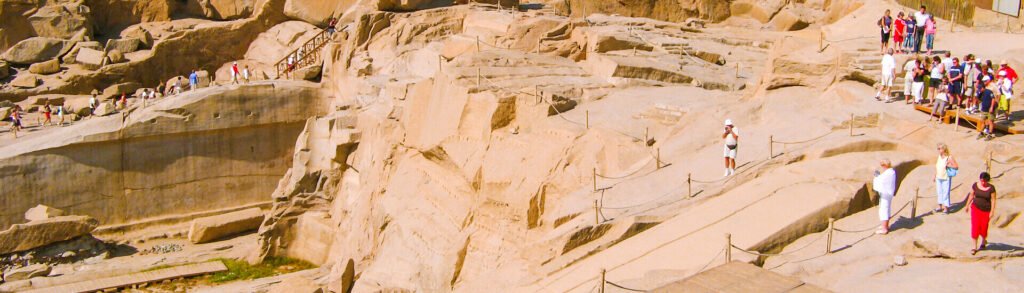
- Unfinished Obelisk — Aswan’s ancient granite quarry, usually combined with the High Dam on the same half-day
- Philae Temple — a short boat ride from the Aswan dock, easily paired with a souk visit before or after
- Nubian Village — reachable by felucca or motorboat from Elephantine Island, and the source of many of the baskets and textiles sold in the souk itself
- Nubian Museum — worth visiting either before you shop, to recognize authentic Nubian craftsmanship, or after, to see the cultural context behind what you bought
Frequently Asked Questions
Is bargaining expected at Aswan old souks?
Yes. Bargaining is a normal, expected part of shopping here, not an exception. Start around 30–40% of the first quoted price and negotiate from there — vendors build the expectation of haggling into their opening price.
What are the Aswan souk opening times?
Most of the market runs from roughly 9:00 AM to 10:00–11:00 PM daily, though individual stalls vary. Late afternoon through early evening is the busiest and most atmospheric window.
Is the Aswan souk safe for tourists, including solo travelers?
Yes, it’s widely considered one of the calmer, more relaxed markets in Egypt compared to Cairo or Luxor. Standard precautions — watching your bags in crowds and sticking to well-lit areas after dark — are all that’s needed.
What should I buy at the Aswan old souks?
Nubian baskets, hibiscus tea (karkadeh), spice blends, perfume oils, and handwoven textiles are the standout purchases, since they’re harder to find with the same authenticity elsewhere in Egypt.
How far is the souk from the Nile Corniche or a cruise ship dock?
About four blocks inland from the river — typically a 10–15 minute walk from most Corniche hotels or cruise moorings.
Can I pay by card at the Aswan souk?
Rarely. Most vendors deal in cash only, and Egyptian pounds in small denominations are strongly preferred for both convenience and bargaining flexibility.
Final Thoughts
The Aswan old souks reward visitors who slow down — browse in the late morning for calmer bargaining, come back at dusk for the atmosphere, and walk a block or two past the first row of stalls before buying anything. Between the spice traders, Nubian craftsmanship, and street food, it’s one of the few markets left in Egypt that still functions as a real neighborhood souk rather than a tourist set piece. If you’re building an Aswan day around it, a Nile cruise between Luxor and Aswan is the easiest way to pair the souk with Philae Temple and the High Dam without losing half your day to logistics.