
A Nile Cruise Itinerary is more than a travel plan; it is a journey through thousands of years of history along the world’s longest river. Sailing between Luxor and Aswan allows travelers to experience ancient temples, vibrant river life, and the calm rhythm of the Nile in a way no land tour can match. This guide explores everything you need to know, from history and architecture to interior design, fascinating facts, and how a typical itinerary unfolds, all in a clear, human, and easy-to-read way.
Understanding the Nile Cruise Itinerary Experience
A well-designed Nile Cruise Itinerary combines sightseeing, relaxation, and cultural discovery. Cruises usually last between three and seven nights, depending on the route and pace. The most popular option sails between Luxor and Aswan, either northbound or southbound, with guided visits to temples and monuments during the day and peaceful sailing in the late afternoon and evening.
Unlike rushed tours, the cruise format allows travelers to unpack once while waking up each day near a new historic site. This balance between comfort and exploration is one of the main reasons Nile cruises remain one of Egypt’s most iconic travel experiences.
History Behind Nile Cruises
The history of Nile cruising dates back to the 19th century, when European travelers and scholars first explored Egypt by boat. During this era, elegant steamships carried aristocrats, writers, and archaeologists along the river. These early journeys helped shape modern tourism in Egypt and inspired today’s luxury cruise ships.
Ancient Egyptians themselves relied on the Nile as their primary transportation route. Temples, tombs, and cities were built along its banks because boats were the fastest and safest way to travel. Following this same path today means experiencing Egypt much as it was thousands of years ago.
The Architecture Along the Nile
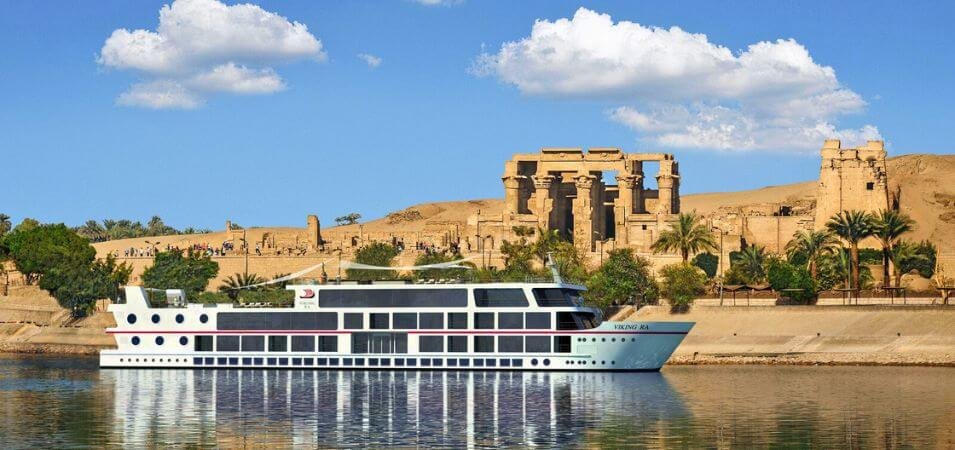
One of the highlights of any Nile Cruise Itinerary is the chance to see Egypt’s architectural wonders in their natural setting. Temples such as Karnak, Luxor Temple, Edfu, and Kom Ombo rise directly from the riverbanks, showcasing monumental columns, towering pylons, and intricate carvings.
These structures were designed to impress both gods and humans. Symmetry, alignment with the sun, and massive stone construction reflect ancient beliefs about eternity and divine order. Sailing past palm-lined shores and desert cliffs provides context that is often lost when visiting these sites by road.
Architectural Highlights You Will Encounter
The temples along the Nile display a variety of styles from different periods of Egyptian history. Some emphasize massive scale and power, while others focus on detailed reliefs and symbolic design. Seeing them in sequence helps travelers understand how Egyptian architecture evolved over centuries while maintaining a strong connection to religion and nature.
Purpose of a Nile Cruise Itinerary
The main purpose of a Nile Cruise Itinerary is to create a seamless way to explore Upper Egypt. Instead of long drives and frequent hotel changes, the cruise offers a floating hotel that moves with you. This allows more time to enjoy the sights and less time dealing with logistics.
Beyond convenience, the cruise experience offers perspective. Watching daily life unfold along the riverbanks, from farmers tending fields to children playing by the water, connects ancient history with modern Egypt in a powerful way.
What a Typical Nile Cruise Itinerary Looks Like
Most itineraries begin in Luxor or Aswan. A common route starts in Luxor, where travelers explore the East Bank temples and the West Bank, home to royal tombs and memorial temples. After departure, the ship sails south, stopping at key sites along the way before reaching Aswan.
A longer Nile River Cruise Itinerary may include additional stops or slower sailing days, allowing more time onboard to relax and enjoy the scenery. Evening entertainment, cultural presentations, and quiet moments on deck all form part of the experience.
Daily Rhythm on the Nile
Days usually begin early with guided visits to temples before the heat of midday sets in. Afternoons are often spent sailing, enjoying lunch onboard, or resting in your cabin. Evenings are relaxed, with dinner and time to reflect on the day’s discoveries while the river flows quietly outside.
Interior Design of Nile Cruise Ships
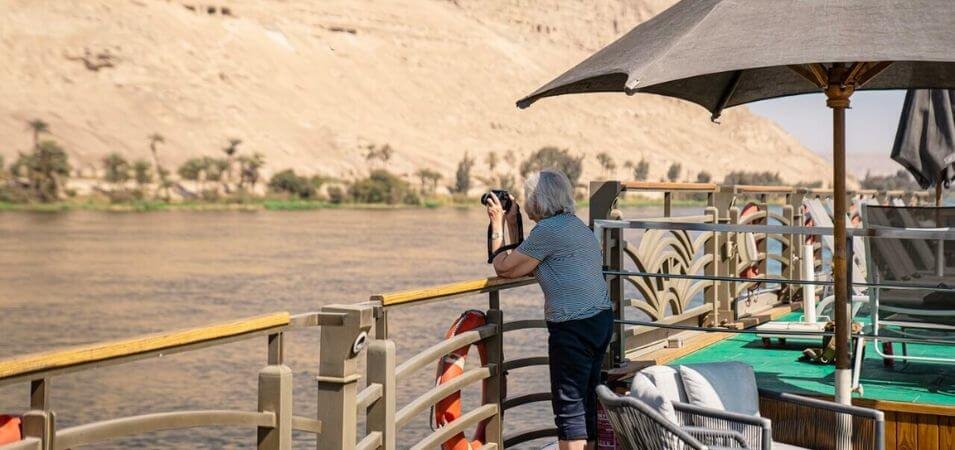
The interior of modern cruise ships blends comfort with subtle Egyptian-inspired décor. Cabins are designed to maximize space and views, often featuring large windows or balconies overlooking the river, while guests are also gently informed about onboard customs such as Tipping, making the experience more comfortable and stress-free. Public areas include lounges, dining rooms, and sun decks where guests can unwind between excursions.
Design elements often incorporate warm colors, natural materials, and decorative motifs inspired by ancient art. This thoughtful approach creates an atmosphere that feels both elegant and connected to Egypt’s heritage without being overwhelming, allowing travelers to relax and focus on enjoying their journey along the Nile.
Dining and Shared Spaces
Dining areas are typically spacious and inviting, offering a mix of local and international cuisine. Large windows allow guests to enjoy river views during meals, enhancing the overall experience. Shared spaces are designed to encourage relaxation and conversation, making it easy to connect with fellow travelers if desired.
Fascinating Facts About Nile Cruises
Many travelers are surprised to learn that the Nile flows south to north, a unique feature that influenced ancient Egyptian beliefs and symbolism. Sailing in this direction mirrors the natural course of the river, reinforcing the sense of following history.
Another interesting fact is that many temples were deliberately positioned to be visible from the water. Ancient builders understood that the Nile was the main travel route, so they designed monuments to impress those arriving by boat, much like modern travelers today.
Choosing the Best Nile River Cruise Itinerary
Selecting the Best Nile River Cruise Itinerary depends on travel time, interests, and pace. Shorter cruises focus on the main highlights, while longer ones offer deeper exploration and more leisure time. Some itineraries emphasize history and archaeology, while others balance sightseeing with relaxation.
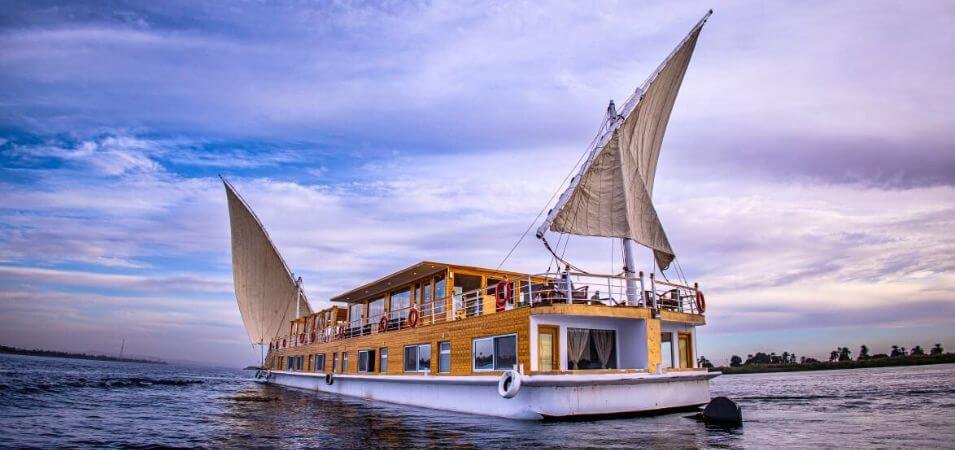
Travelers interested in romance often choose a Nile Cruise for Couples, appreciating the peaceful sunsets and intimate atmosphere onboard. Independent travelers may enjoy a Solo Nile Cruise, as the guided structure makes it easy to explore safely while still meeting others.
The River Nile Cruise Itinerary and Local Life
A River Nile cruise itinerary is not only about ancient monuments; it also reveals everyday life along the river. Small Nubian villages, colorful feluccas, and green farmland contrast beautifully with the surrounding desert. These scenes provide insight into how the Nile continues to shape Egypt’s economy and culture today.
This connection between past and present is what makes the journey so memorable. You are not just visiting isolated sites but experiencing a living river that has sustained civilization for millennia.
Why a Nile Cruise Itinerary Feels Timeless
There is a unique calm that comes from traveling by river. The steady movement of the ship, the changing light on the water, and the rhythm of daily excursions create a sense of timelessness. This feeling is central to the appeal of a Nile Cruise Itinerary and is something travelers often remember long after the trip ends.
Unlike fast-paced tours, the cruise encourages reflection. Each temple visit builds on the last, creating a deeper understanding of ancient Egypt’s beliefs, achievements, and legacy.
Final Thoughts on Planning Your Nile Journey
A thoughtfully planned Nile Cruise Itinerary offers an unmatched way to explore Egypt’s history, architecture, and culture in comfort. From grand temples and fascinating facts to well-designed interiors and meaningful moments on deck, the experience feels both educational and deeply personal.
Whether you choose a short voyage or an extended journey, sailing the Nile provides a rare opportunity to follow in the footsteps of pharaohs, pilgrims, and explorers. It is not simply a trip but a journey through time, guided by the eternal flow of the Nile itself.
