
Luxor and Aswan are two of Egypt’s most enchanting destinations—cities where ancient temples rise from the desert, the Nile glides calmly between palm-fringed banks, and history feels alive in every corner. If you’re planning a trip to Upper Egypt, knowing the best places in Luxor and Aswan will help you experience the region’s true magic. This guide explores their architecture, history, purpose, iconic interiors, and fascinating facts in a natural, human-friendly style that is both informative and enjoyable to read.
Introduction to Luxor and Aswan
Luxor and Aswan are often paired together because they offer a complete picture of ancient Egyptian civilization. Luxor, the world’s greatest open-air museum, is dense with temples, tombs, and monuments that span thousands of years. Aswan, quieter and more relaxed, is known for its Nubian heritage, stunning scenery, and temples that tell stories of devotion, power, and preservation. Together, these two cities form a journey through time, revealing the heart of ancient Egypt.
Best Places to Visit in Luxor
Luxor is divided by the Nile into the East Bank and the West Bank. The East Bank is dedicated mainly to temples honoring the gods, while the West Bank is connected to funerary sites and the afterlife. Exploring both sides gives travelers a well-rounded understanding of ancient Egyptian beliefs.
Karnak Temple: A Monument of Endless Wonders
Karnak Temple is one of the largest religious complexes ever built, dedicated primarily to the god Amun. Its architecture reflects centuries of construction by different pharaohs, each adding their own touches of grandeur. The Great Hypostyle Hall is one of the most photographed places in Luxor, thanks to its forest of towering sandstone columns that seem to stretch endlessly toward the sky.
Inside, visitors discover intricately carved hieroglyphs, sacred lakes, colossal statues, and obelisks that capture the ambition of Egypt’s rulers. Karnak was not only a religious center but also a political one, where pharaohs showcased their power through architecture.

Luxor Temple: A Sanctuary at the Heart of the City
Located along the modern corniche, Luxor Temple stands illuminated at night like a glowing reminder of Egypt’s ancient glory. Built by Amenhotep III and expanded by later kings such as Tutankhamun and Ramesses II, this temple served as a center for festivals—especially the Opet Festival, which celebrated the renewal of kingship.
The temple’s interior includes grand statues of Ramesses II, beautifully preserved reliefs showing priests and pharaohs, and an avenue lined with hundreds of sphinxes that once connected the temple to Karnak. This impressive architectural feature, known as the Avenue of Sphinxes, symbolizes power, protection, and divine presence.
The Valley of the Kings: A Necropolis of Pharaohs
On the West Bank lies the Valley of the Kings, one of the most significant archaeological sites in the world. Hidden within its rugged mountains are over sixty royal tombs, carved deep into the earth to protect the pharaohs’ treasures and ensure their safe passage to the afterlife.
The most famous tomb here belongs to Tutankhamun. Although smaller than other tombs, it gained worldwide fame after Howard Carter discovered it almost intact in 1922. Other notable tombs include those of Seti I and Ramesses VI, whose interiors are filled with vibrant artwork and detailed passages from the Book of the Dead.
The architecture of these tombs is fascinating. Many feature long descending corridors, decorated burial chambers, and elaborate ceilings painted with stars to symbolize the heavens.
Temple of Hatshepsut: best places in Luxor and Aswan
The Mortuary Temple of Hatshepsut sits against the cliffs of Deir el-Bahari, blending seamlessly with the surrounding landscape. Designed by Senenmut, the queen’s architect, it stands as one of the finest examples of ancient Egyptian architecture.
The temple’s terraces, colonnades, and ramps create a striking sense of symmetry. Inside, the reliefs tell the story of Hatshepsut’s divine birth, trading expeditions to Punt, and her achievements as one of Egypt’s most successful female rulers. The artwork reveals the queen’s efforts to legitimize her reign in a male-dominated world.
Colossi of Memnon: Guardians of the West Bank
Two enormous statues of Amenhotep III stand quietly at the edge of the desert, welcoming visitors to the West Bank. Though weathered by time, the Colossi of Memnon still convey the grandeur of the pharaoh they once depicted. These statues originally guarded a massive mortuary temple, most of which has been lost, but excavation and restoration efforts continue to reveal its mysteries.
Best Places in Luxor and Aswan:
Travelers often journey from Luxor southward toward Aswan, discovering temples, islands, and scenic views that highlight the beauty and diversity of Upper Egypt. Some places are iconic, while others offer peaceful escapes into nature and Nubian culture.
Best Places to Visit in Aswan
Aswan’s charm is different from Luxor’s. The city feels slower and more intimate, with granite quarries, islands draped in greenery, and temples that stand against the dramatic desert backdrop.
Philae Temple: The Jewel of the Nile
Philae Temple, dedicated to the goddess Isis, is one of the most beautiful temples in Egypt. Its history is remarkable because it had to be relocated block by block to its current island location after the construction of the Aswan High Dam threatened to submerge it.
The architecture of Philae blends elegance with spiritual symbolism. Its colonnades, sanctuaries, and reliefs depict Isis, Osiris, and Horus—the divine family central to Egyptian mythology. Visiting the temple by boat adds to its magic, especially at sunrise or sunset when the stones glow with warm colors.
Abu Simbel Temples: A Monumental Masterpiece
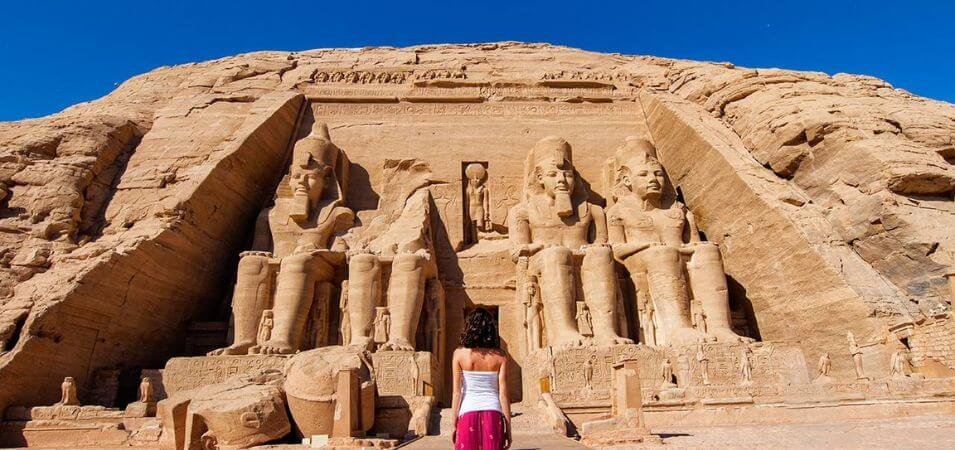
Located further south toward the Sudanese border, the Abu Simbel Temples are among Egypt’s most breathtaking achievements. Commissioned by Ramesses II, they are famous for their colossal facade, where four giant statues of the pharaoh gaze across the desert.
The interior reflects Ramesses II’s military victories, divine authority, and devotion to the gods. The smaller temple nearby is dedicated to Queen Nefertari, making it one of the rare temples honoring a royal woman.
Like Philae, Abu Simbel was relocated in the 1960s to save it from rising waters. The precision of its reconstruction, including the biannual solar alignment when sunlight illuminates the sanctuary, is a marvel of modern engineering.
Nubian Village: A Cultural Gem Along the Nile
Aswan is home to vibrant Nubian communities known for their colorful houses, warm hospitality, and ancient traditions. Visiting a Nubian village gives travelers the chance to learn about local customs, taste Nubian cuisine, and explore hand-crafted art and textiles.
The architecture is unique, with domed roofs designed to minimize heat and walls painted with geometric patterns or images of animals. The combination of culture, history, and scenery makes the Nubian villages one of the most memorable places to visit in Aswan.
Elephantine Island and the Aswan Museum
Elephantine Island is one of the oldest inhabited areas in Aswan. Its ancient temples, Nilometers, and archaeological sites reveal how the Egyptians measured the Nile’s flood levels and worshiped the ram-headed god Khnum.
The Aswan Museum, situated on the island, offers a closer look at artifacts recovered from local excavations. Exploring the island is peaceful and scenic, with views of feluccas sailing gently across the water.
Unfinished Obelisk: A Window Into Ancient Craftsmanship
Located in the granite quarries of Aswan, the Unfinished Obelisk offers rare insight into how ancient Egyptians carved massive stone structures. Had it been completed, it would have been the largest obelisk ever made, but cracks in the rock forced workers to abandon it. This site reveals the skill and precision required to shape such monumental pieces, giving visitors a deeper appreciation for Egypt’s architectural achievements.
Why Luxor and Aswan Are Essential Destinations
Exploring the best places in Luxor and Aswan offers a deeper understanding of Egypt’s ancient world—from the grandeur of Karnak and the timeless beauty of Philae to the serene landscapes surrounding Aswan. Each temple, tomb, and monument reflects the purpose, architecture, and beliefs of the civilizations that shaped them. Whether you’re fascinated by mythology, history, or simply the art and engineering of ancient Egypt, Luxor and Aswan provide an unforgettable journey.
Conclusion
Luxor and Aswan are destinations every traveler should experience at least once. Their temples, tombs, and cultural sites reveal stories of kings, queens, gods, and civilizations that left their mark on history. By focusing on the best places in Luxor and Aswan, this guide highlights the beauty, heritage, and architectural brilliance that make these cities stand out. Exploring them allows you to connect with the past while enjoying some of the most breathtaking scenery along the Nile.
