
The Aswan old souks are among the most enchanting traditional marketplaces in Egypt, offering visitors a glimpse into centuries of culture, trade, and daily life along the Nile. These bustling corridors of color, aroma, and sound represent the heart of Aswan’s social and commercial history. From handcrafted Nubian goods and aromatic spices to local street food and artisan workshops, the souks are a destination that blends authenticity with excitement. Aswan is a city known for its warm people, rich heritage, and serene landscapes, and its markets reflect all of these elements in a way that no modern shopping mall can replicate.
Many travelers come to the city specifically to experience the Aswan market, drawn by its reputation as one of the most vibrant traditional bazaars in Upper Egypt. Whether you are hunting for souvenirs, exploring Nubian culture, or simply wandering through its lively alleys, the market is an experience that resonates long after you leave. The souks are also conveniently located near some of Aswan’s top attractions, making them easy to fit into a full day of sightseeing around landmarks such as Philae Temple, the Nubian Museum, or the picturesque Elephantine Island.
The History and Cultural Significance of Aswan Old Souks
The origins of the Aswan old souks trace back to ancient trading networks that connected Egypt, Sudan, and the broader African continent. For centuries, Aswan served as a major gateway for merchants transporting gold, spices, ivory, and incense into northern Egypt. Because of this, the markets developed as central gathering points where traders exchanged goods and stories from across the region. Even today, the souks preserve this multicultural spirit, with influences from Nubian, Egyptian, Arab, and African traditions visible in the goods sold, the languages spoken, and the architectural style of the market streets.
Many sections of the Aswan market still retain their old-world layout, where narrow passageways snake between rows of stalls and overhead awnings drape the walkways with alternating shades of sun and shadow. Aswan’s markets have always been more than places to buy and sell—they were social hubs where families met, travelers shared news, and artisans showcased their craft. This cultural and historical depth is what makes visiting the souks more than a typical shopping trip.
Architecture and Atmosphere of the Market
One of the most captivating aspects of the Aswan old souks is their traditional architecture, which creates a sense of immersion in a forgotten age. The market’s design reflects Nubian aesthetic influences, with brightly painted facades, domed rooftops, and decorative motifs inspired by the desert landscape and the Nile. Vendors often display their goods in open-front shops, allowing passersby to admire colorful textiles, handcrafted pottery, and carved wooden souvenirs as they stroll through the lanes.
The atmosphere is lively from the moment you arrive. Vendors call out friendly greetings, children run between stalls, and the scent of spices—cumin, cardamom, clove, and hibiscus—fills the air. The market is both energetic and welcoming, offering a warm cultural embrace to anyone who enters. Bright displays of Nubian baskets, natural perfumes, leather sandals, and traditional jewelry paint the pathways in a mosaic of color, making the souks a photographer’s dream.
Exploring the Famous Aswan Market
At the center of the experience is the renowned Aswan market, a long street that stretches between Sharia el-Souk and the surrounding alleys. This is the busiest part of the souk, home to dozens of stalls selling everything from scarves and spices to handmade accessories and authentic Nubian artworks. Many travelers come to this section to pick up souvenirs at affordable prices, as bargaining is a natural and expected part of the shopping culture.
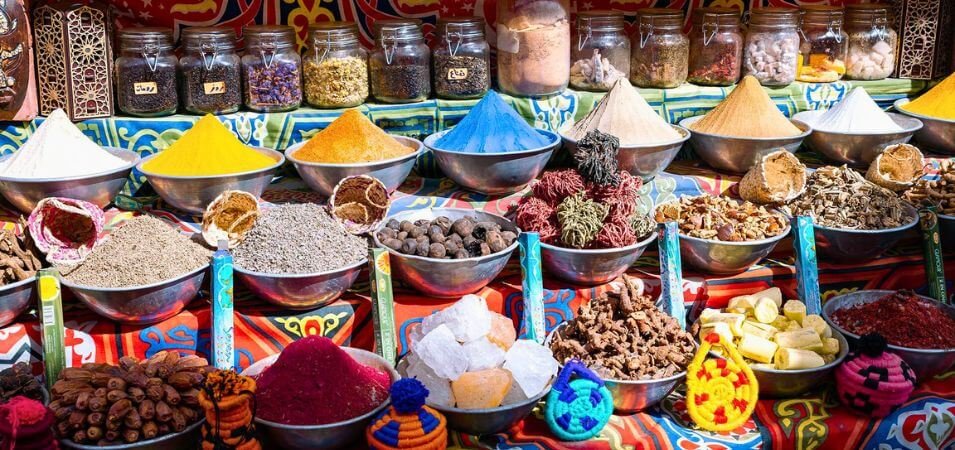
The market is especially famous for its spice shops, where neatly stacked pyramids of herbs create a visual feast. Locals love buying karkadeh—dried hibiscus petals used to make the beloved Egyptian drink—while tourists often go home with saffron, cinnamon sticks, and other aromatic blends. The textile stalls are equally popular, offering vibrant shawls, galabeyas, and Nubian-patterned fabrics that reflect the region’s artistic heritage.
Aswan Souk Opening Times: When to Visit
Knowing the Aswan Souk opening times helps you plan the perfect visit. The market typically opens in the morning and continues into the late evening, although exact times may vary depending on the season and local holidays. The most atmospheric time to visit is in the late afternoon or early evening, when the temperature cools, lights illuminate the narrow pathways, and vendors become even more animated.
Many travelers say the market takes on a magical quality after sunset, when the mix of artificial lights and natural desert breeze creates a vibrant yet relaxed ambiance. This is when families, tourists, and local shoppers come together in the market’s busiest hours, making it an ideal moment to see the souks at their liveliest.
Aswan Souk Shops: What You Can Find Inside
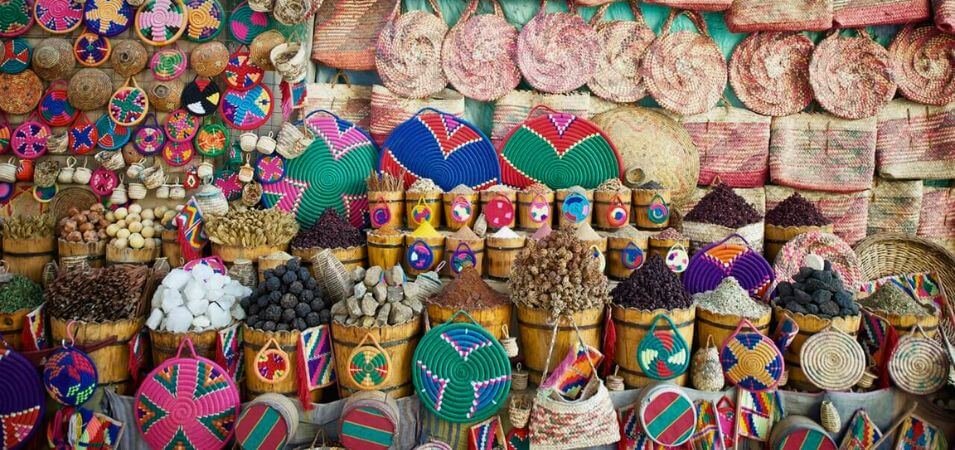
The variety of Aswan souk shops is part of what makes the old souks so irresistible. Every corner introduces you to something new, and each shop has its own charm and specialty. Some focus on Nubian handicrafts—brightly colored baskets, handwoven rugs, beaded jewelry—while others specialize in natural herbs, essential oils, and incense blends passed down through generations.
Many travelers enjoy visiting the traditional perfume shops, where vendors mix oils like sandalwood, jasmine, amber, and lotus into custom scents. These shops often let visitors sample different fragrances while explaining the historical uses of each oil in ancient Egyptian rituals. Handcrafted souvenirs such as carved alabaster statues, copper plates, and miniature pyramids are also popular purchases.
For visitors interested in clothing, the shops selling cotton galabeyas, shawls, and Nubian embroidery offer unique and affordable pieces that reflect local culture. Even if you don’t plan to buy much, strolling through the stalls provides a colorful glimpse into Aswan’s artistic identity.
Aswan Souk Food: A Taste of Local Flavor
No visit to the Aswan old souks is complete without trying some delicious Aswan souk food. The local street food scene is full of rich flavors and culinary traditions that reflect both Egyptian and Nubian influences. Many recipes found here are also staples in the Nubian Village, where traditional cooking still follows methods passed down through generations. Vendors often offer freshly baked bread, grilled corn, roasted peanuts, and traditional Nubian dishes made with beans, lentils, and spices.
Koshari—the Egyptian national dish—can be found in small eateries near the market, while fresh juices such as sugarcane and hibiscus provide the perfect refreshment during a hot day of shopping. Some food stalls sell dried fruits, dates, and nuts, which make for excellent snacks or gifts. The lively food scene gives the souk an added layer of authenticity, turning your shopping trip into a full sensory experience.
Aswan Souk Shopping Centre: Modern Shopping Meets Tradition
While the charm of the old souks lies in their traditional layout, modern visitors also enjoy exploring the Aswan Souk Shopping Centre, a more structured space inspired by the original marketplace. This center brings together several vendors under one roof, offering items such as clothing, spices, jewelry, and souvenirs in a slightly more organized environment. It provides an alternative for travelers who prefer predictable pricing and a calmer shopping atmosphere.
Though it does not replace the authenticity of the old souks, the shopping center complements them by offering a more accessible introduction to Aswan’s commercial culture. Many travelers start here to get a sense of prices before heading into the more traditional alleys where bargaining is part of the experience.
Aswan Old Souks Reviews: What Travelers Say
The Aswan Old Souks reviews from travelers around the world are consistently glowing. Many visitors highlight the friendliness of the vendors, the quality of handmade items, and the rich cultural interactions that happen naturally during the shopping experience. Tourists often praise the market’s authenticity, noting that it feels far less commercialized than some other markets in Egypt.
Travelers also appreciate how safe and welcoming the souks feel, even for solo visitors. Many reviews mention the fun of bargaining, the unique Nubian products, and the abundance of photo opportunities. The souks’ proximity to key attractions—such as the Unfinished Obelisk, Philae Temple, and the Aswan High Dam—makes them an effortless addition to any Aswan itinerary.
Nearby Attractions to Explore
The Aswan old souks are conveniently located near several major attractions. After browsing the market, many visitors continue their journey to the nearby Nubian Museum, which offers a deep dive into the culture represented so vividly in the market’s shops. Others take a traditional felucca ride on the Nile, visiting Elephantine Island or sailing toward the Botanical Garden on Kitchener’s Island.
The iconic Philae Temple, dedicated to the goddess Isis, is another popular attraction near the market area. Many travelers start or end their day at the souk after exploring this ancient masterpiece. The combination of history, culture, and vibrant commerce makes the souks a complementary experience to Aswan’s archaeological wonders.
Conclusion: Why the Aswan Old Souks Are Unforgettable
The Aswan old souks are not just markets—they are living expressions of the city’s identity, history, and enduring traditions. Every alley, shop, and scent tells a story, and every vendor adds a new layer of personality to this unforgettable cultural destination. Whether you’re shopping for handcrafted souvenirs, tasting local foods, or immersing yourself in Nubian culture, the souks offer a journey that stays with you long after your trip ends.
Exploring the Aswan market is like stepping into a vibrant tapestry where past and present blend seamlessly. With their lively atmosphere, unique goods, and warm spirit, the old souks remain one of the most authentic and rewarding experiences in southern Egypt.
